Menorca Cultural Experiences — Authentic Cultural Collaboration

Menorca

Menorca Cultural Experiences: Authentic Cultural Collaboration

Menorca's cultural experiences are rooted in the island's prehistoric heritage, maritime and military history, living crafts, local gastronomy, festivals, and immersive everyday life, not simply in sightseeing.

Menorca is at the heart of my personal and professional story. A native of the island, I grew up immersed in its language, traditions, landscapes, history, and Mediterranean identity. This deep connection continues to shape the way I work and remains central to my understanding of culture, communication, and responsible tourism.

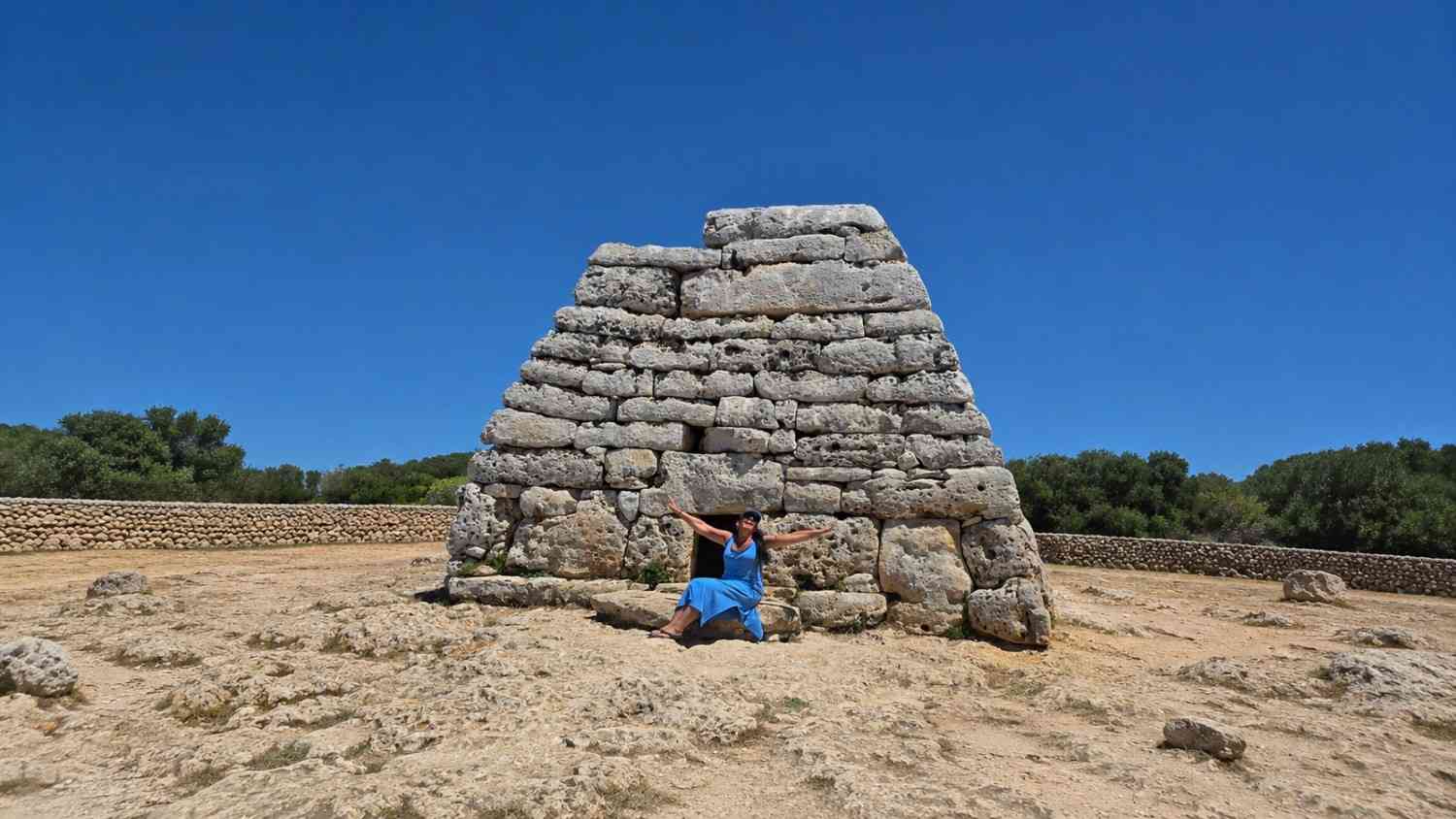
Naveta des Tudons, the prehistoric monument near Ciutadella
Naveta des Tudons, a childhood place that still inspires me, Ciutadella
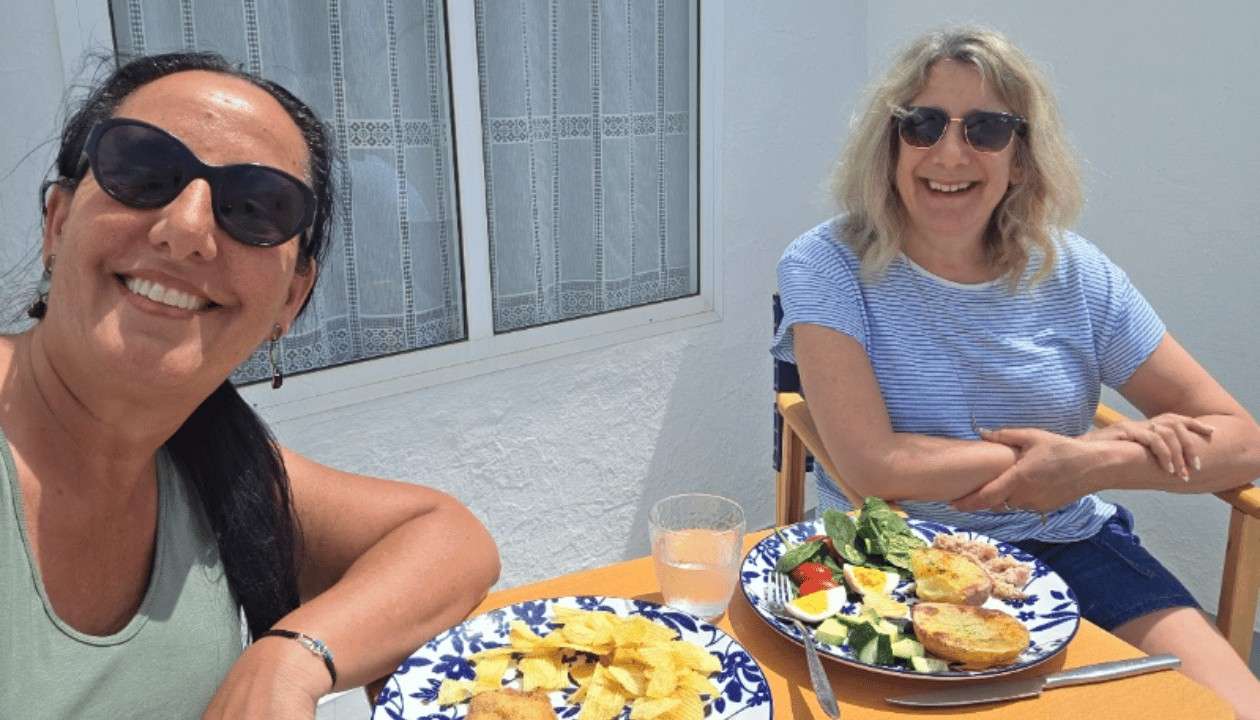
Lunch on the rooftop terrace with a student in Ciutadella
Sophie and I enjoying lunch on my rooftop terrace, Ciutadella
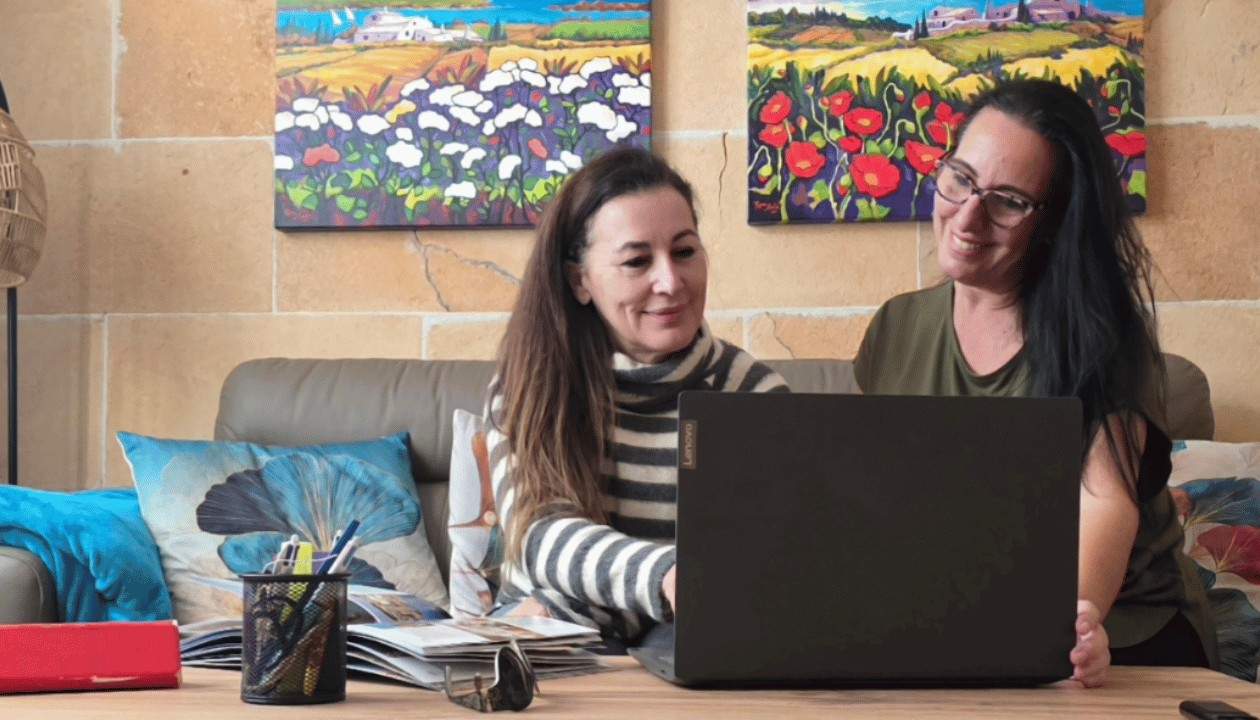
Studying Spanish at home in the living room
Natalia and I studying at home in the living room, Ciutadella
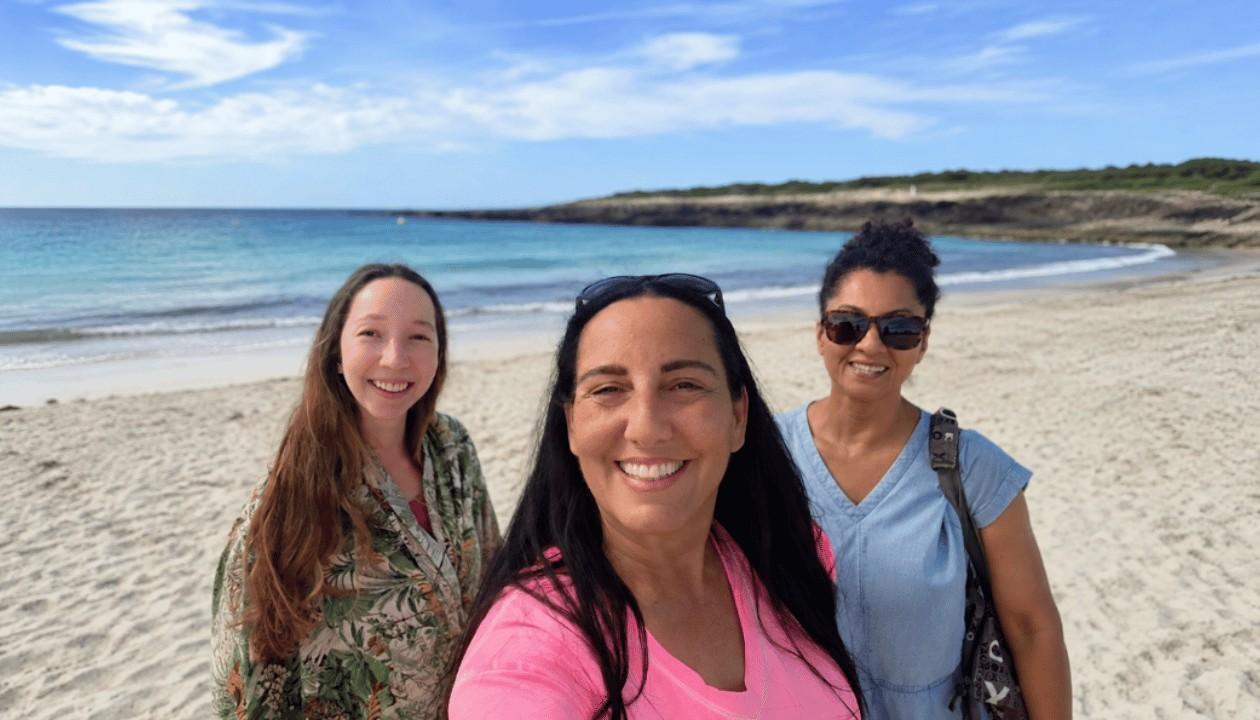
At Cala’n Bosch Beach with students
Shali, Claudia and I at Cala’n Bosch Beach, Ciutadella

Through my work, and especially through the Spanish Homestay Immersion Programme (SHIP), I share Menorca not as a tourist product but as a living cultural experience. Students and professionals don't only study Spanish here; they step into the island's rhythm, heritage, gastronomy, and local life, and they come to understand Menorca from the inside. In the sections that follow, you'll see what those experiences look like in practice and how to choose the ones that offer the most meaningful immersion.

Heritage

An island of deep cultural heritage and historical value

Menorca is much more than a beautiful coastline. Declared a UNESCO Biosphere Reserve in 1993, it holds one of the richest concentrations of prehistory anywhere in the Mediterranean, with well over 1,500 archaeological sites scattered across the island. In 2023, this extraordinary legacy was formally recognised when Talayotic Menorca was inscribed as a UNESCO World Heritage Site.

  • 1993UNESCO Biosphere Reserve
  • 1,500+archaeological sites
  • 2023Talayotic Menorca, UNESCO World Heritage

To explore Menorca with someone who grew up here is to see past the surface, into the layers of Talayotic settlement, maritime strategy, British and French influence, and centuries-old craft that make the island what it is.

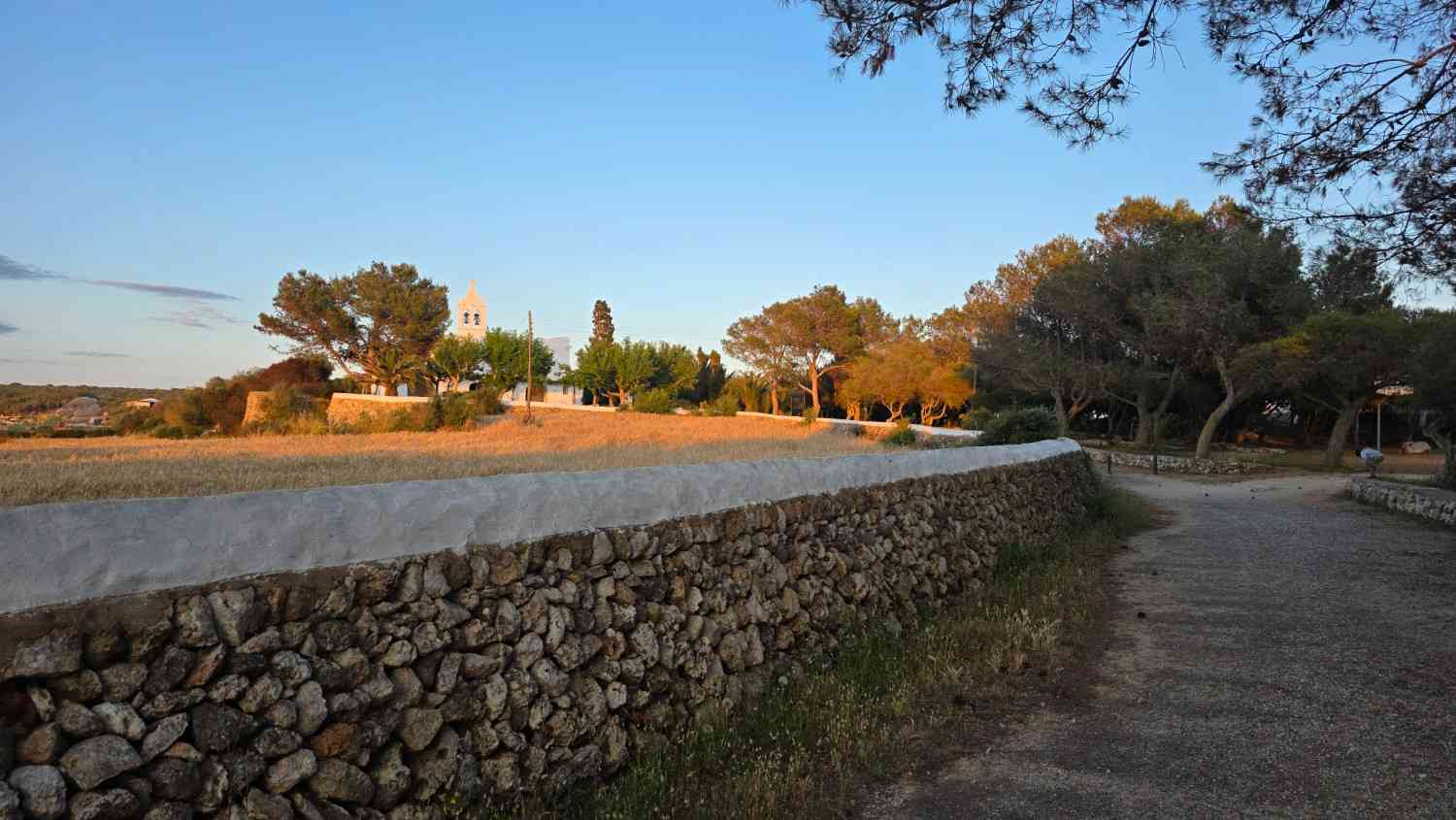
Traditional Menorcan dry stone walls at Sant Joan de Missa
Traditional Menorcan dry stone walls at Sant Joan de Missa, Ciutadella
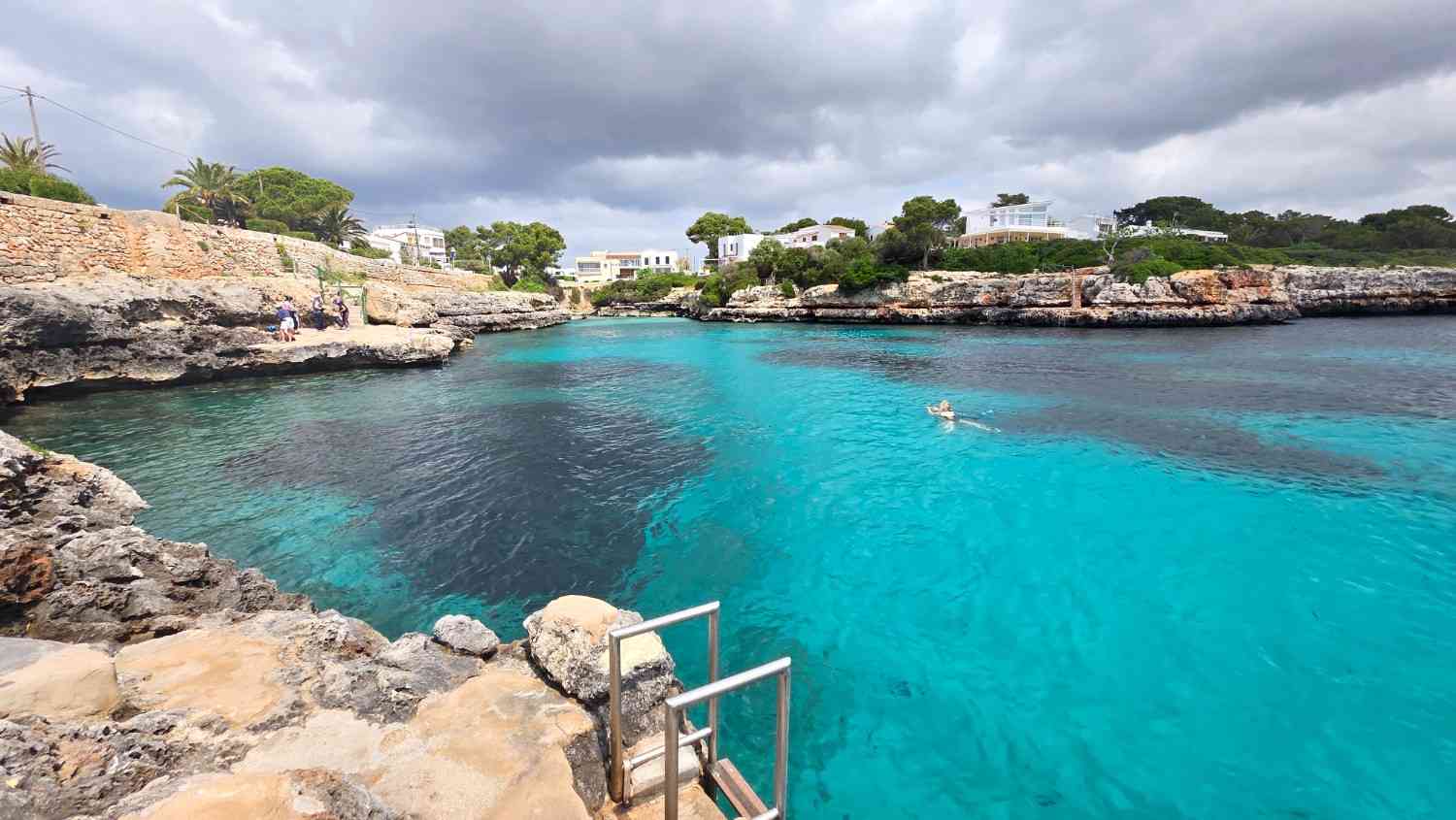
Turquoise water and rocky shoreline at Sa Farola Beach
Turquoise waters and a rocky shoreline at Sa Farola Beach, Ciutadella
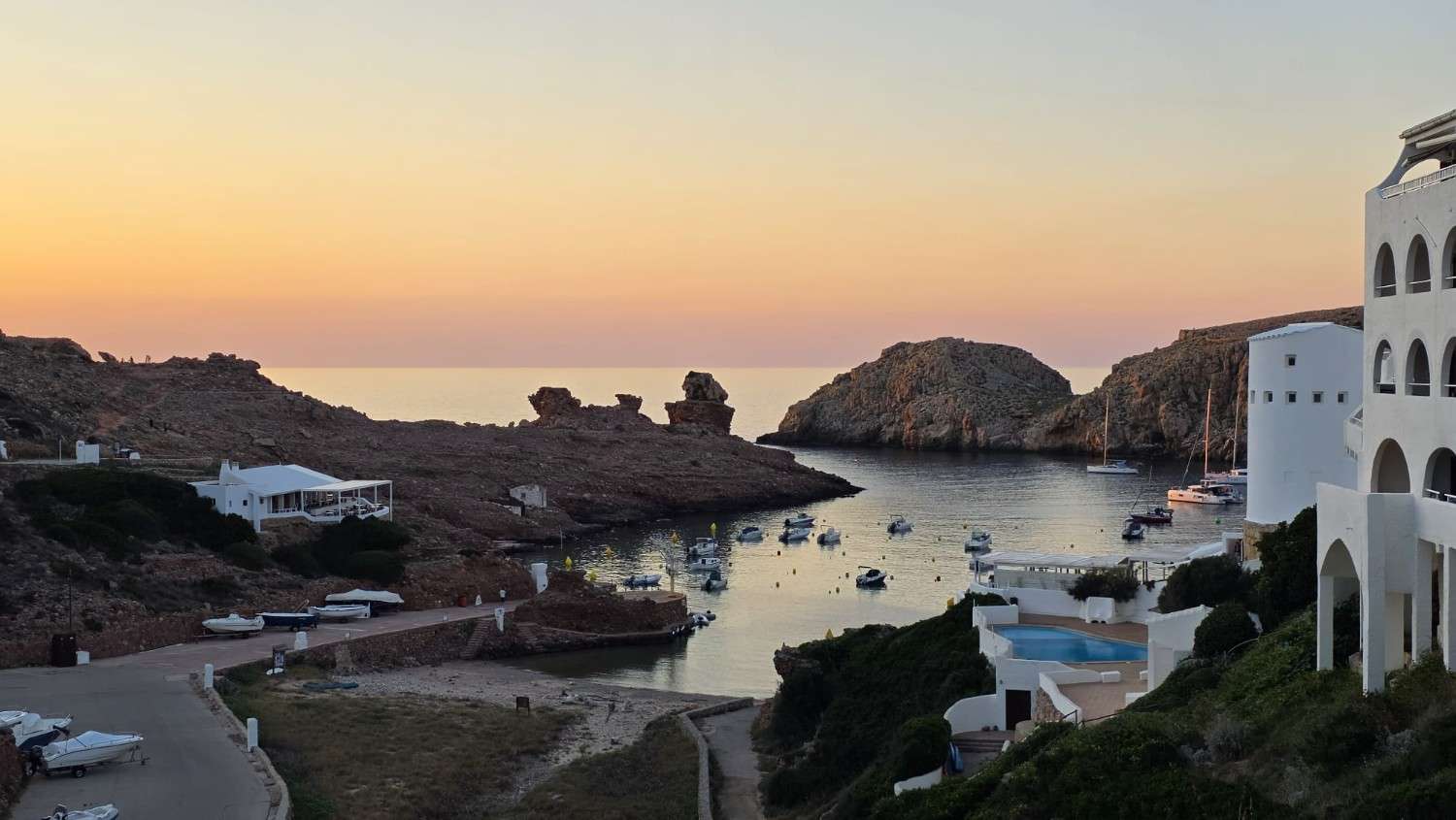
Cala Morell at sunset
Cala Morell glowing in the soft light of sunset, Ciutadella
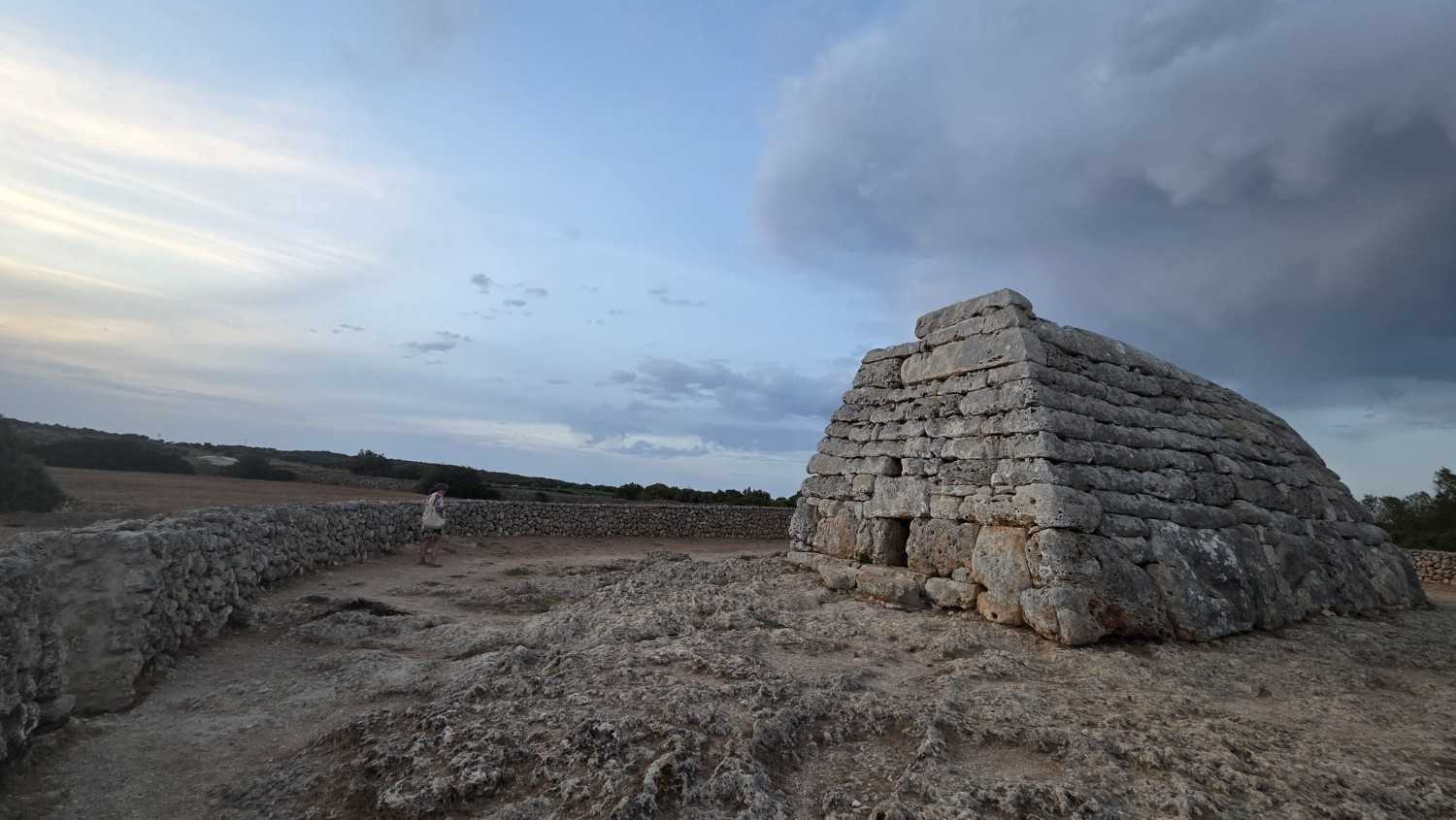
Naveta des Tudons beneath a dramatic Menorcan sky
Impressive Naveta des Tudons beneath a striking Menorcan sky, Ciutadella
The Talayotic settlement of Trepucó near Maó
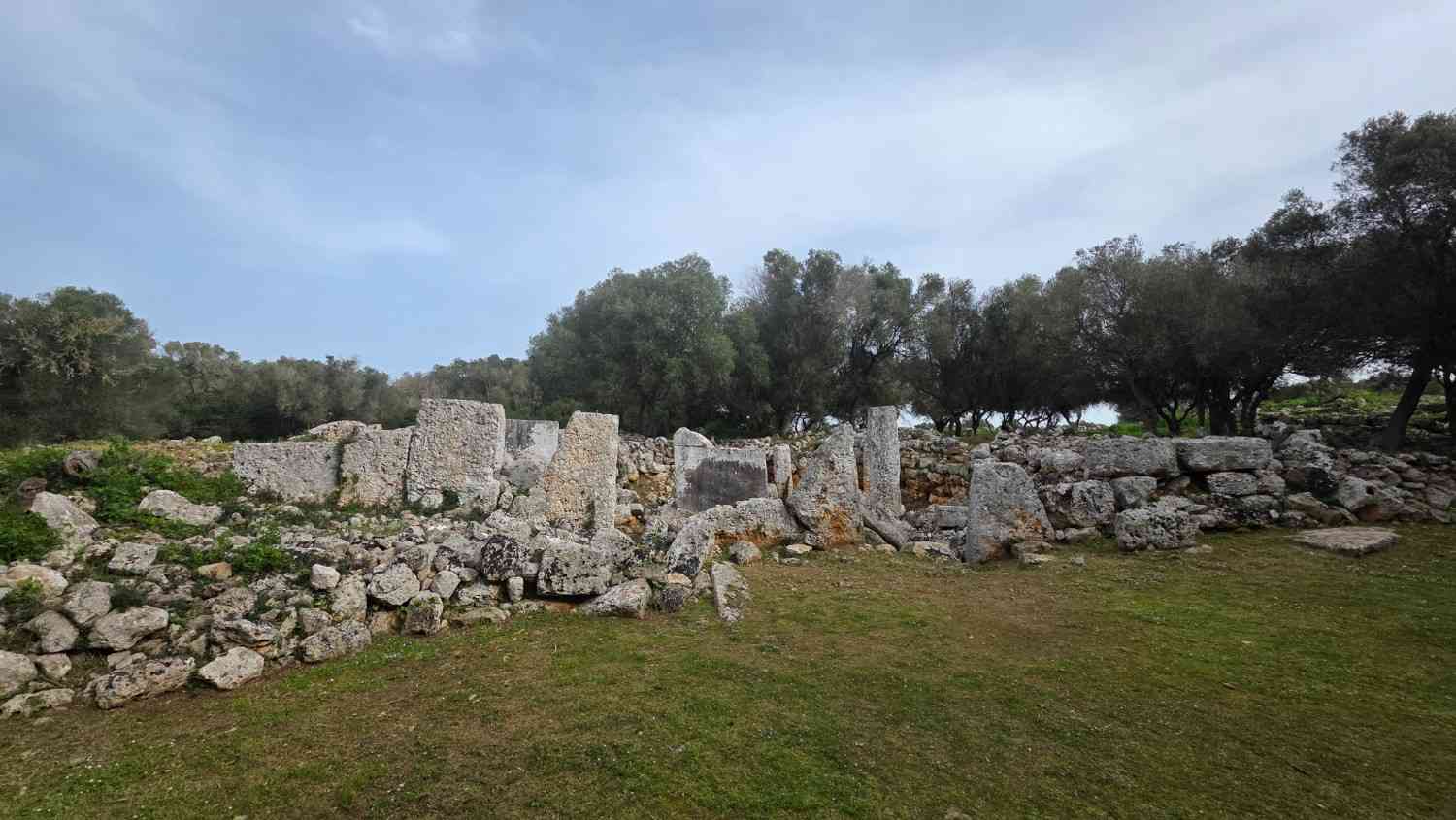
The ancient Talayotic settlement of Trepucó, Maó
The Talayotic settlement of Son Catlar near Ciutadella
The historic Talayotic settlement of Son Catlar, Ciutadella
Prehistory

Prehistoric and Talayotic Menorca

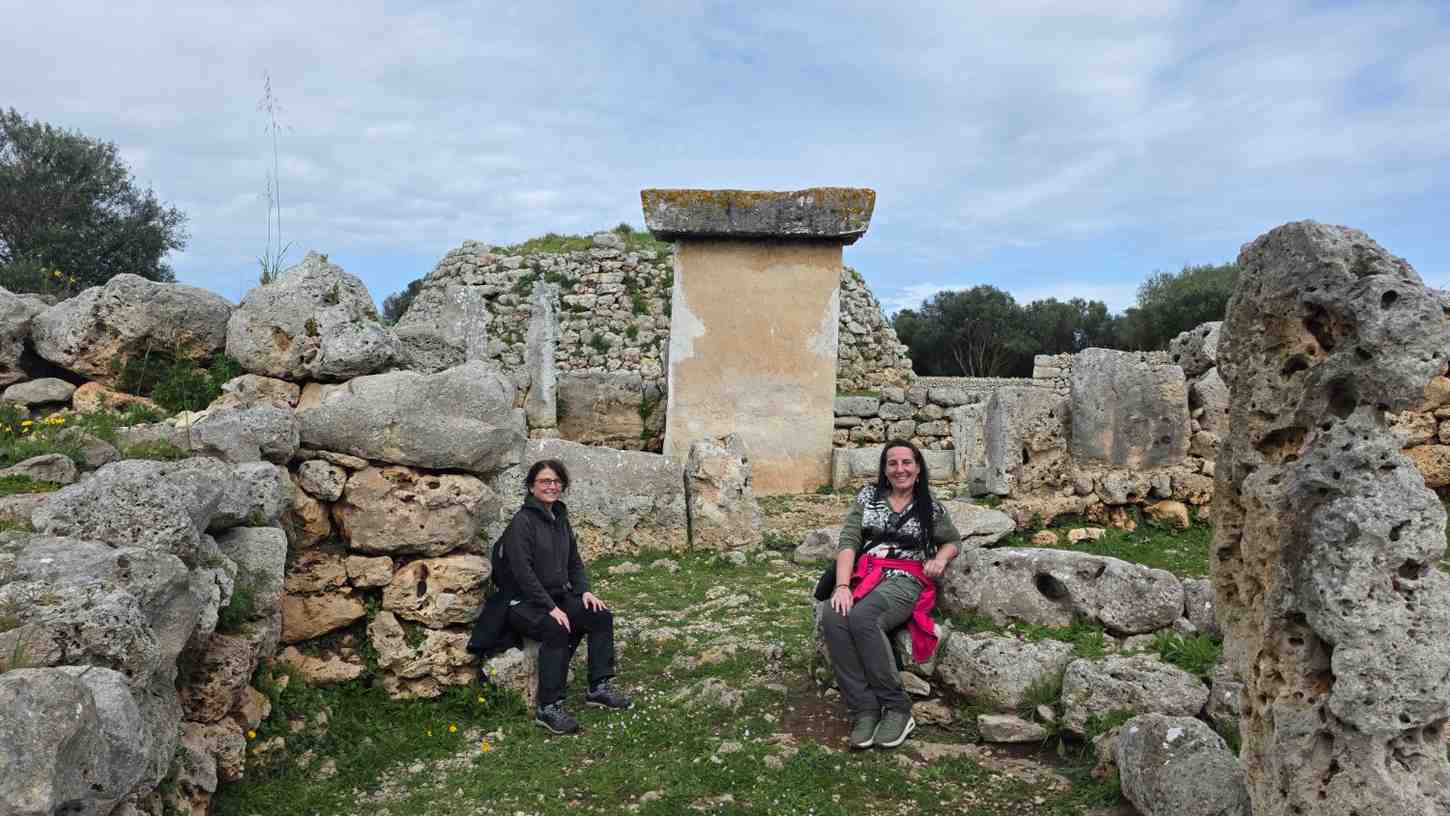
The island's prehistoric heritage is genuinely world class. The Naveta des Tudons, a pre-Talayotic funerary monument over 3,000 years old from the bronze age period tied to pre-Talayotic and Talayotic monument building, is among the oldest roofed structures in Europe, while sites like Torre d'en Galmés reveal how Talayotic communities lived, built, and gathered in ancient settlements. Walking among these stone monuments, you don't simply observe history; you feel how deep the island's roots run through the island's history and cultural heritage.

The harbour

Maritime and military history

Menorca's position in the Mediterranean gave it one of the world's largest natural harbours at Mahón (Maó), and a strategic importance far beyond its size. That story is told at Fort Marlborough in Es Castell and at La Mola, whose fortress played a key role in naval defence, as well as in the island's museums, including the Museum of Menorca, housed in a former convent and tracing the island from prehistory to the present, and centres such as the Thalassa Centre del Patrimoni Marítim that explore Menorca's seafaring past. Together, these sites reflect the island's 18th century military history and the foreign influences that shaped its heritage.

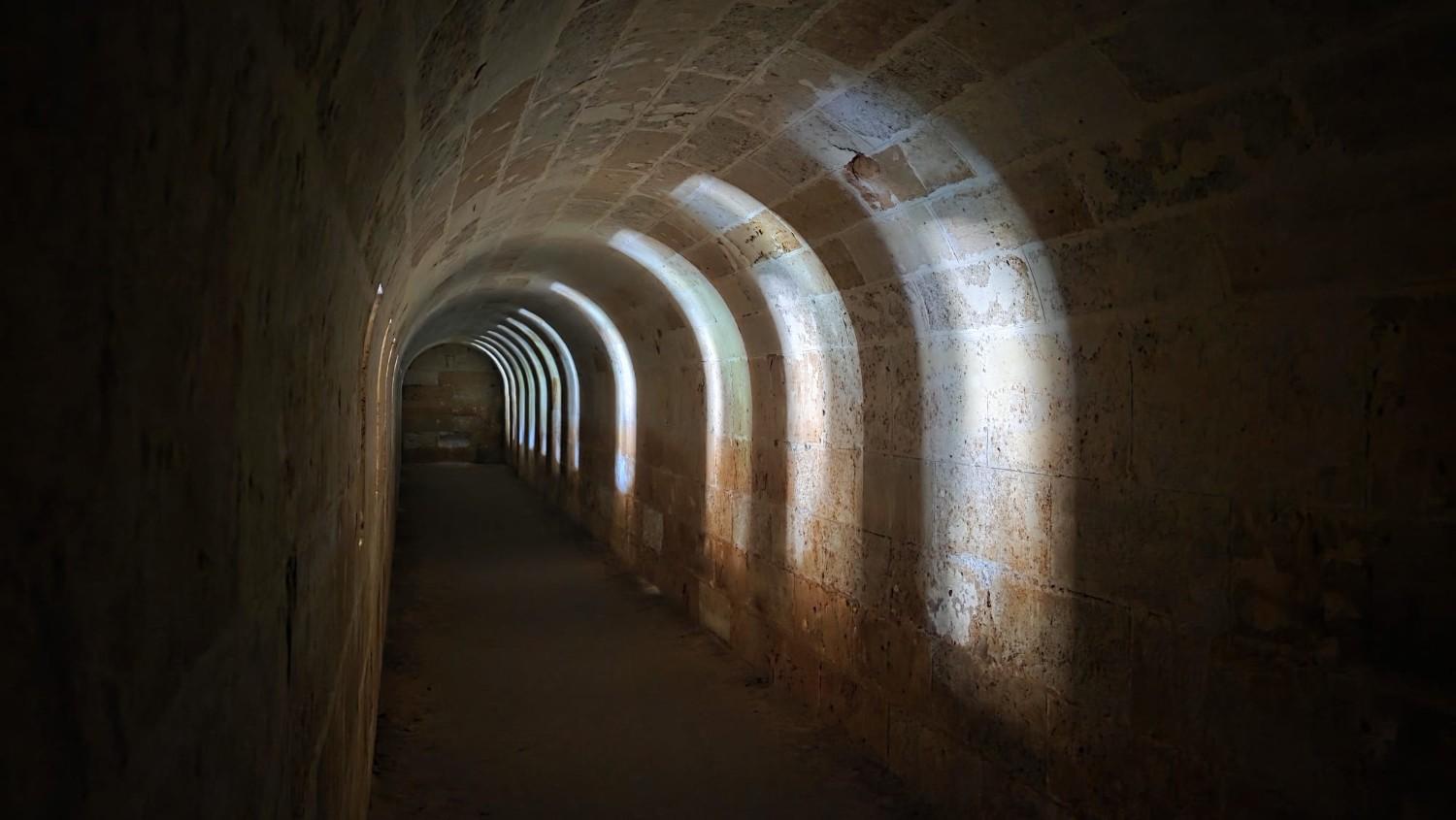
Underground passageways of La Mola Fortress
The atmospheric underground passageways of La Mola Fortress, Maó
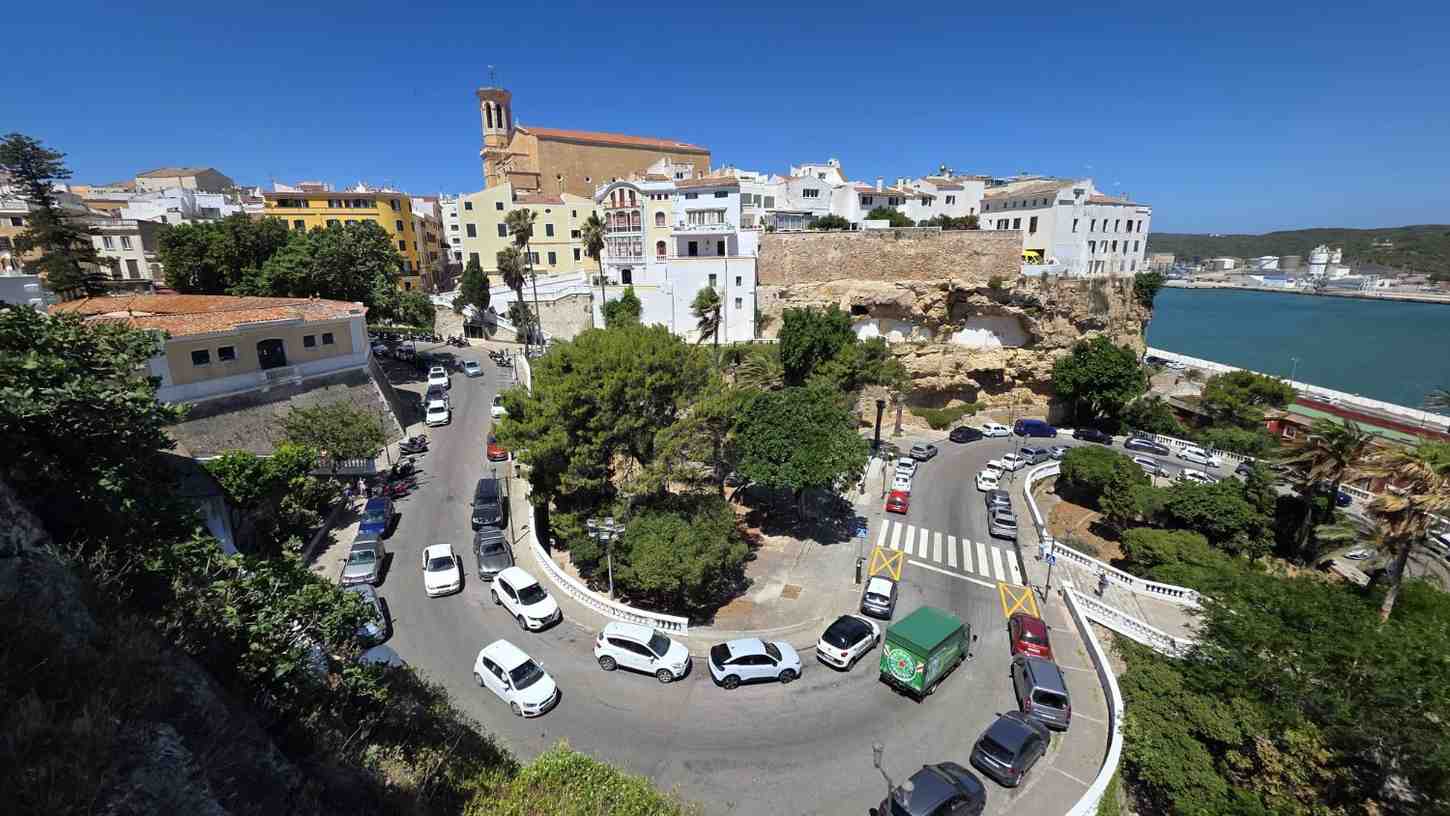
Costa de ses Voltes winding down to Maó harbour
Costa de ses Voltes winding down towards the world's second largest natural harbour, Maó
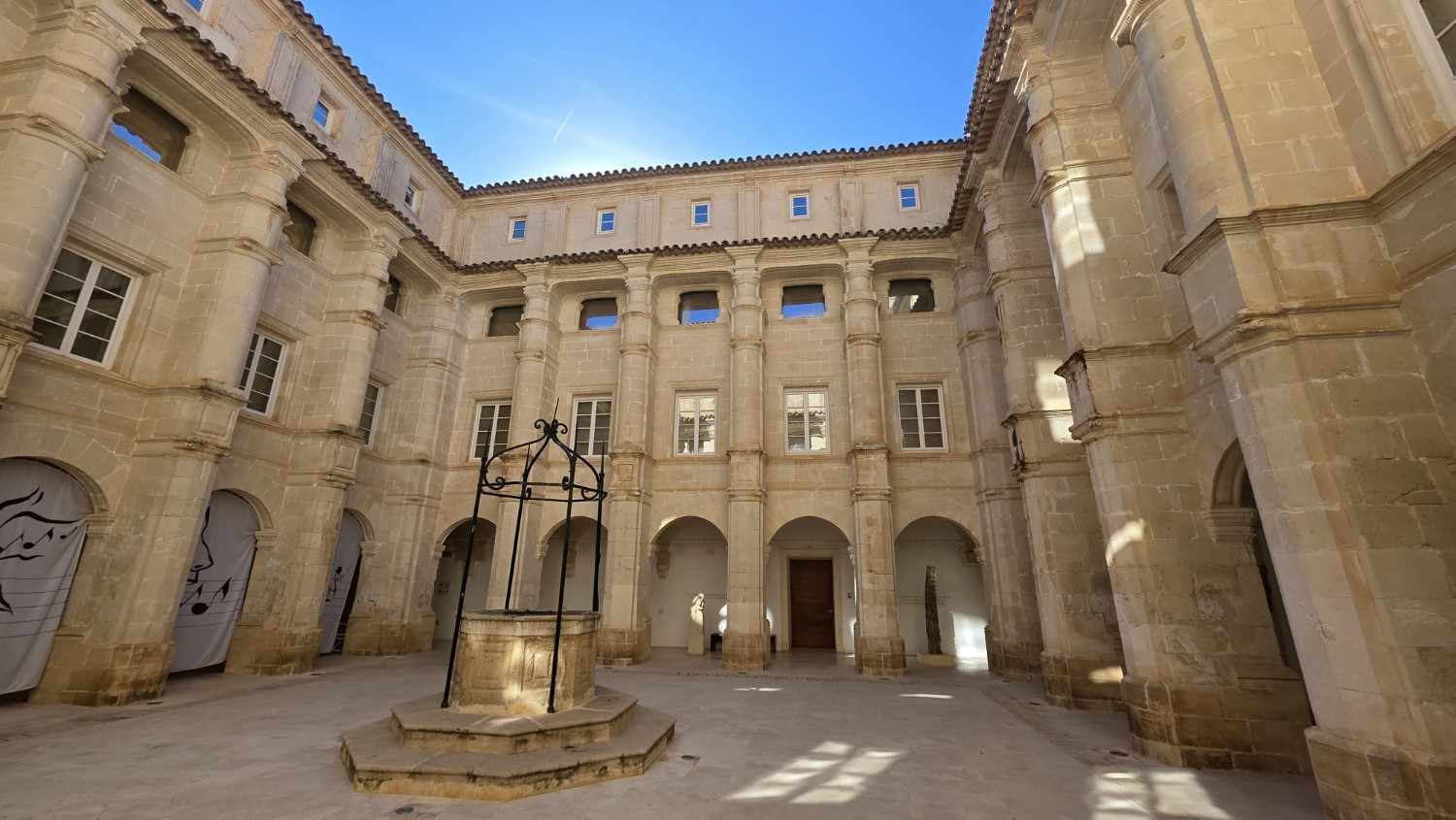
The historic courtyard of the Museu de Menorca
The beautiful historic courtyard of the Museu de Menorca, Maó
Living culture

Art, craft, local markets, and living culture

The island's culture is very much alive today. On Illa del Rei, in Mahón harbour, the Hauser & Wirth Menorca gallery brings world-class contemporary art and an education lab to the island, letting visitors immerse themselves in a setting where architecture and landscape meet, while Líthica transforms former limestone quarries into extraordinary gardens. Across Menorca, artisan workshops and craft centres keep traditional trades alive, and local markets, from the fish and produce markets of Ciutadella's Plaça de la Llibertat to Mahón's pescadería municipal, overflow with Menorcan craft, including ceramics, plus fresh seafood and pintxos; Ciutadella's Cathedral Santa Maria is another worthwhile stop for its daily organ recitals at 1pm.

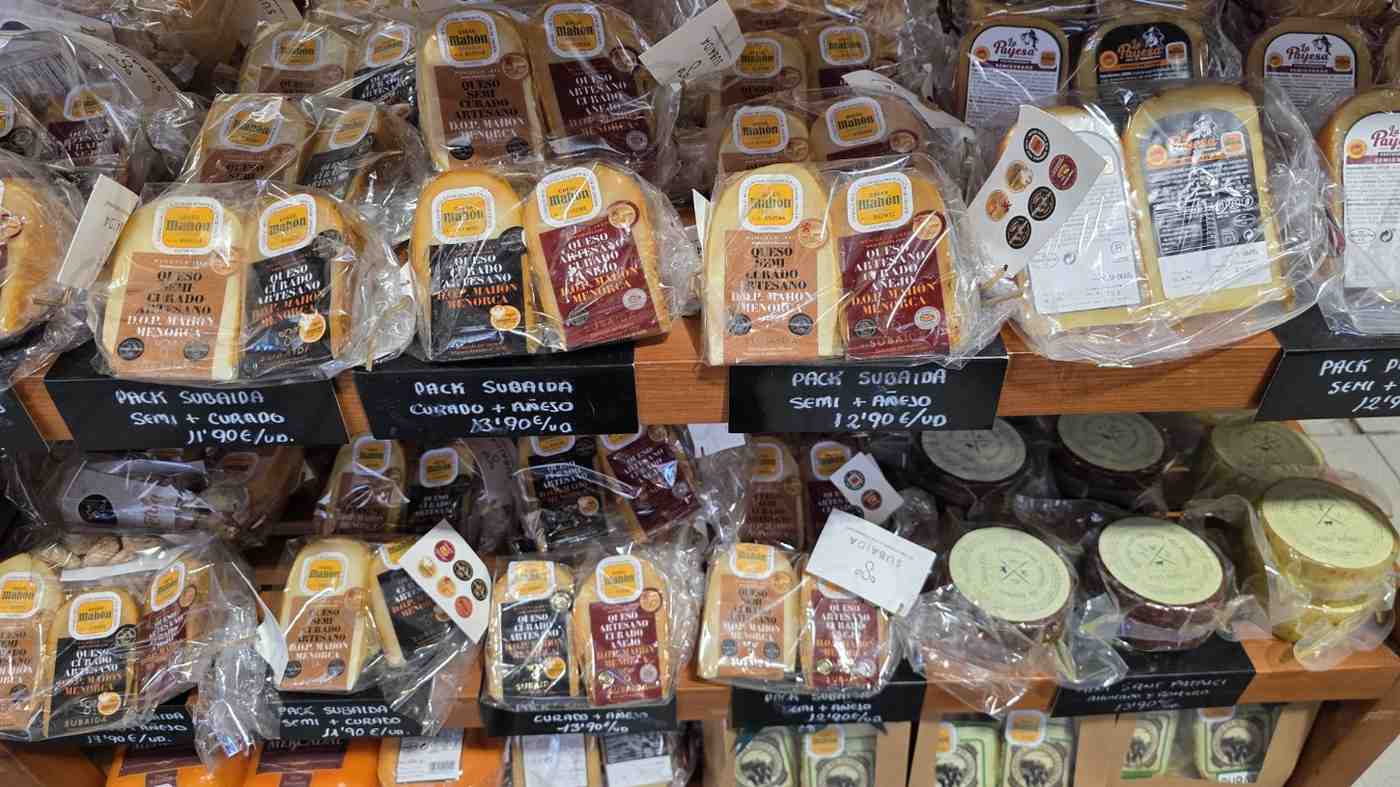
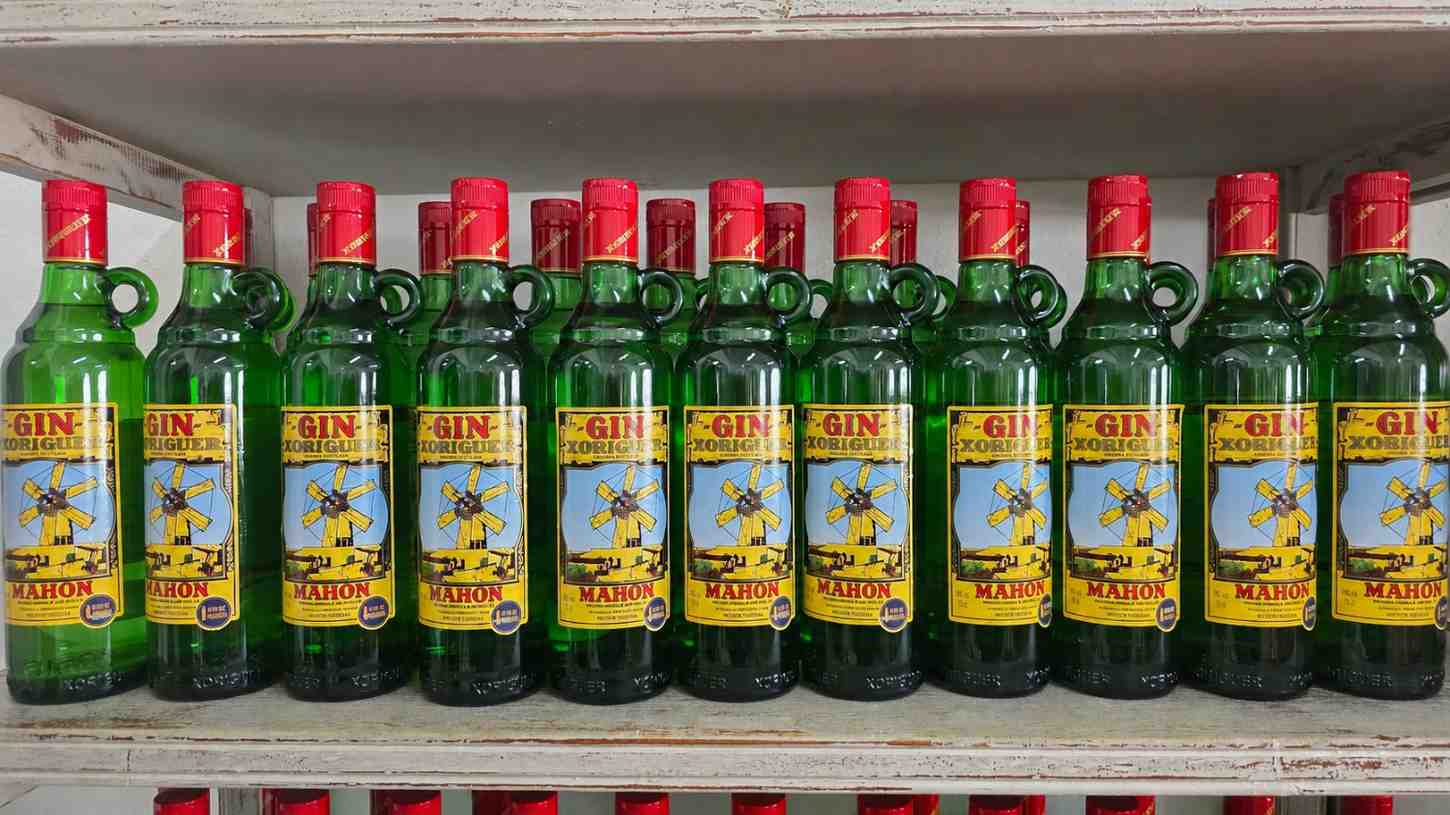
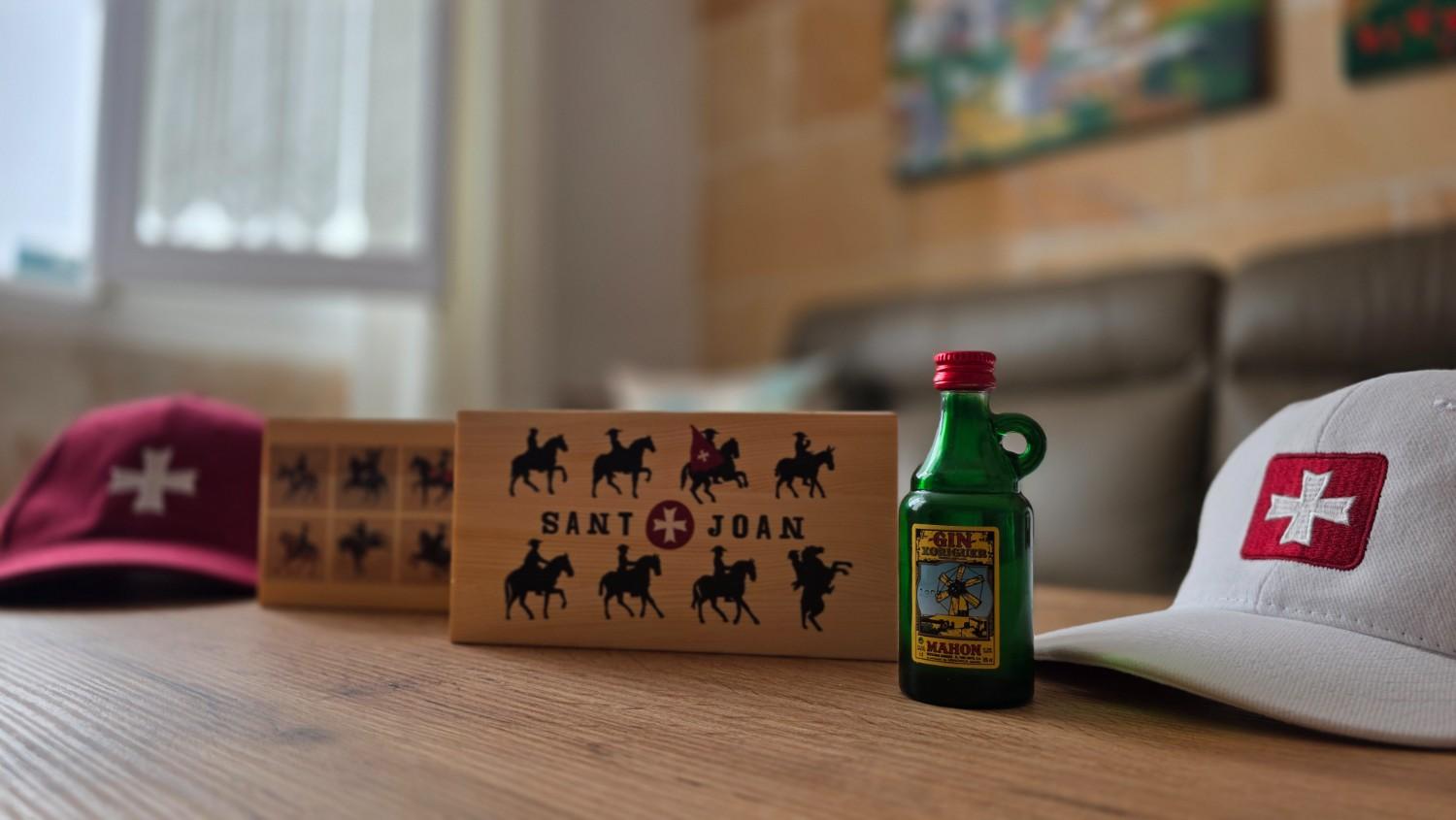
And then there's the island's famous flavour and festivity: Mahón cheese with its protected designation of origin, Xoriguer gin distilled in the Menorcan tradition that British rule left behind, and the thundering Jaleo festivals, where horses and riders parade through the streets of Ciutadella for Sant Joan and Mahón for the Festes de Gràcia. These patron saint festivals are among the island's most distinctive local celebrations, with horse parades and live music at the heart of the atmosphere.
Mahón cheese with Protected Designation of Origin
Traditional Mahón cheese with Protected Designation of Origin, Maó
Gin Xoriguer, distilled in Menorca
Traditional Gin Xoriguer, made in Menorca, Maó
Horses and riders at the Festes de Sant Joan in Ciutadella
Celebrating the magic and traditions of the Festes de Sant Joan, Ciutadella
Partners

My cultural collaborations

My work in Menorca connects with organisations that protect and share the island's heritage.

Cultural management

Talaia Cultura

Talaia Cultura is dedicated to cultural management, heritage, conservation, restoration, and cultural tourism in Menorca. My collaboration with them reflects my commitment to experiences rooted in local knowledge, historical value, and respect for the island's identity.

Heritage association

SHA Martí i Bella

SHA Martí i Bella, the Societat Històrico Arqueològica Martí i Bella, is an important cultural and heritage association that studies, protects, and shares Menorca's historical and archaeological heritage through research, publications, and cultural projects.

These collaborations let me offer experiences grounded in genuine expertise rather than a surface-level tour.

Experience culture, language, and responsible tourism

For me, cultural collaboration is an essential part of responsible tourism. Visitors should not only see Menorca; they should understand it by seeking an authentic experience rather than just sightseeing. Through SHIP, language, storytelling, and partnership with local cultural organisations, my aim is to help people connect with the island in a way that is respectful, thoughtful, and memorable, while helping visitors engage more deeply with Menorca's cultural heritage and leaving a positive impact on the communities and heritage that make Menorca so special.

If you'd like to experience Menorca as more than a destination, I'd love to share it with you.

Contact me about cultural experiences in Menorca
FAQs

Menorca, answered

Menorca is best known for its protected natural beauty as a UNESCO Biosphere Reserve, its exceptional prehistoric heritage, and its calmer, more authentic feel compared with neighbouring Mallorca. It is also widely known for its scenic coast and crystal clear waters. In 2023, Talayotic Menorca was recognised as a UNESCO World Heritage Site, reflecting the island's more than 1,500 archaeological sites. It's also famous for its natural harbour at Mahón, its Mahón cheese, its gin, and its lively summer festivals.

Menorca's culture is shaped by thousands of years of history and a strong sense of local identity. You'll find prehistoric Talayotic monuments, a maritime and military past influenced by British and French rule, centuries-old crafts and gastronomy, and vibrant traditions like the Jaleo horse festivals. Alongside this heritage, the island has a thriving contemporary culture, from art galleries to artisan markets. It's a place where history, nature, and community feel closely connected.

There's a wealth to discover when you visit key sites: exploring Talayotic sites like Naveta des Tudons and Torre d'en Galmés, visiting the Museum of Menorca and Fort Marlborough, seeing contemporary art at Hauser & Wirth on Illa del Rei, wandering the gardens of Líthica, browsing local markets in Ciutadella and Mahón, tasting Mahón cheese and Menorcan gin, and experiencing the Jaleo festivals. Some travellers also visit Hauser & Wirth Menorca and Cathedral Santa Maria for a more rounded cultural day. Through SHIP, I help students live these experiences while practising Spanish in real situations.

If your time is limited, I'd point you towards the prehistoric monuments of Talayotic Menorca, the historic town of Ciutadella, where Cathedral Santa Maria is located, and Mahón with the world's second-largest natural harbour, plus at least one local market for the island's food and crafts. If you're here in summer, the patron saint festivals are unforgettable. And under Menorca's protected night sky, look up: the island is a wonderful place for stargazing.

Beyond its cultural sites, Menorca offers walking, cycling, and mountain biking across the island's landscape, including the historic Camí de Cavalls coastal trail (around 185 km circling the island), plus swimming in its many coves, with many of the best-known calas along the south coast, exploring artisan workshops, and enjoying its gastronomy, including scenic spots on the eastern side. The appeal is the balance: you can fill a day with history and culture or slow right down by the sea. With me, these activities double as natural opportunities to practise Spanish in real, everyday situations.

It depends on what you're looking for, but many people choose Menorca precisely because it's quieter, less developed, and more authentic than its larger neighbour. It has kept the slower pace and unspoilt feel that busier destinations have lost, with no high-rise resorts and a strong sense of local identity. For learning Spanish and experiencing genuine culture, that calmer, more rooted atmosphere is exactly what makes the island so special.