

Gap analysis
I evaluate your current operations against the GSTC Criteria to show clearly where you already meet the standards and where work is needed, so you start with an honest picture rather than guesswork.
Sustainable tourism is no longer optional. Travellers, regulators, and communities now expect destinations and tourism businesses to operate responsibly, and the businesses that meet that expectation gain a real competitive advantage. As a responsible tourism consultant whose work is aligned with the Global Sustainable Tourism Council (GSTC), I help tourism organisations, destinations, and companies move towards genuine, credible sustainability, grounded in international standards rather than vague promises.
My approach combines deep knowledge of sustainable tourism practices with the cultural and linguistic understanding I bring as a native of Spain, so the changes you make are practical, locally appropriate, and built to last.
Start the conversation →A GSTC consultant helps individuals and organisations implement sustainable practices based on the internationally recognised GSTC Criteria. In practice, that means advising across the four pillars these standards cover:
I evaluate your current operations against the GSTC Criteria to show clearly where you already meet the standards and where work is needed, so you start with an honest picture rather than guesswork.
I develop a management system and a practical action plan suited to your organisation, your destination, and your resources, drawing on global best practices rather than a one-size-fits-all template.
For destinations and tourism organisations, I support the bigger picture too: shaping national and regional tourism strategies, guiding destination development and destination marketing, strengthening tourism management, and using market research to build sustainable business models that support sustainable tourism development at destination scale and sustainable growth over time. This can also align with guidance from international organisations and broader initiatives at the international level. For example, DASTA in Thailand focuses on sustainable tourism development in designated areas, while Colorful Earth promotes sustainable tourism and biodiversity conservation in China, showing how sustainable destinations are advanced in practice.
I guide the practical measures that make sustainability real, from waste reduction and energy efficiency to the protection of natural resources, responsible community engagement, and the use of smart tourism tools and digital technologies for better management and implementation, alongside services that support advancing sustainable tourism practices across the tourism sector.
Lasting change depends on your people. I help train your team in sustainable practices so the standards become part of how you work every day, not just a document on a shelf. My own grounding in this field is supported by GSTC Sustainable Tourism Training, the core programme recommended for consultants.
I prepare your organisation thoroughly for the certification audit conducted by an accredited body, so you walk into the process confident and ready.
I advise on how to present your sustainability performance accurately and persuasively, helping you earn trust without overstating your claims.
Sustainable tourism creates value for everyone it touches: the visitor, the local community, and the destination itself. Done well, it protects natural resources and cultural heritage, supports local economic development and broader economic growth, and delivers real social benefits and well-being through local community development to the people who live where tourism happens. It also builds the kind of reputation that attracts increasingly conscious travellers and aligns with growing demand for sustainable travel.
These principles sit at the heart of the global sustainability agenda. The GSTC Criteria are aligned with the United Nations Sustainable Development Goals, and they apply from small local businesses to entire countries, including the developing nations where responsible tourism can do the most good.
Tourism businesses and tour operators seeking credible sustainability credentials
Destinations and tourism organisations developing responsible strategies and investment promotion
Companies planning sustainable corporate retreats, incentive travel, and cultural experiences in Spain
International teams who want their travel and operations to reflect genuine environmental and social responsibility
Whether you're at the very start of your sustainability journey or refining an established programme, I'll meet you where you are.
What sets my consultancy apart is that I treat sustainability as something lived, not just certified. My background spans language, culture, and responsible tourism, so I understand how sustainable practices land in real communities and real destinations, helping support sustainable destinations and broader sustainable tourism development, especially across Spain and the Spanish-speaking world, with work also informed by Spain's links to Latin America. That cultural fluency is especially useful when projects involve the Spanish language or audiences who want to learn Spanish in context.
The result is guidance that's rigorous about international standards yet sensitive to local identity, culture, and people. In practice, tourism management works best when local context, local communities, and local community development shape how sustainable growth is delivered.
Menorca is where these principles live. A UNESCO Biosphere Reserve since 1993, with Talayotic Menorca inscribed as a World Heritage Site in 2023, the island shows what responsible tourism protects: prehistoric monuments, quiet coves, living crafts, local gastronomy, and festivals that still belong to the people who celebrate them.
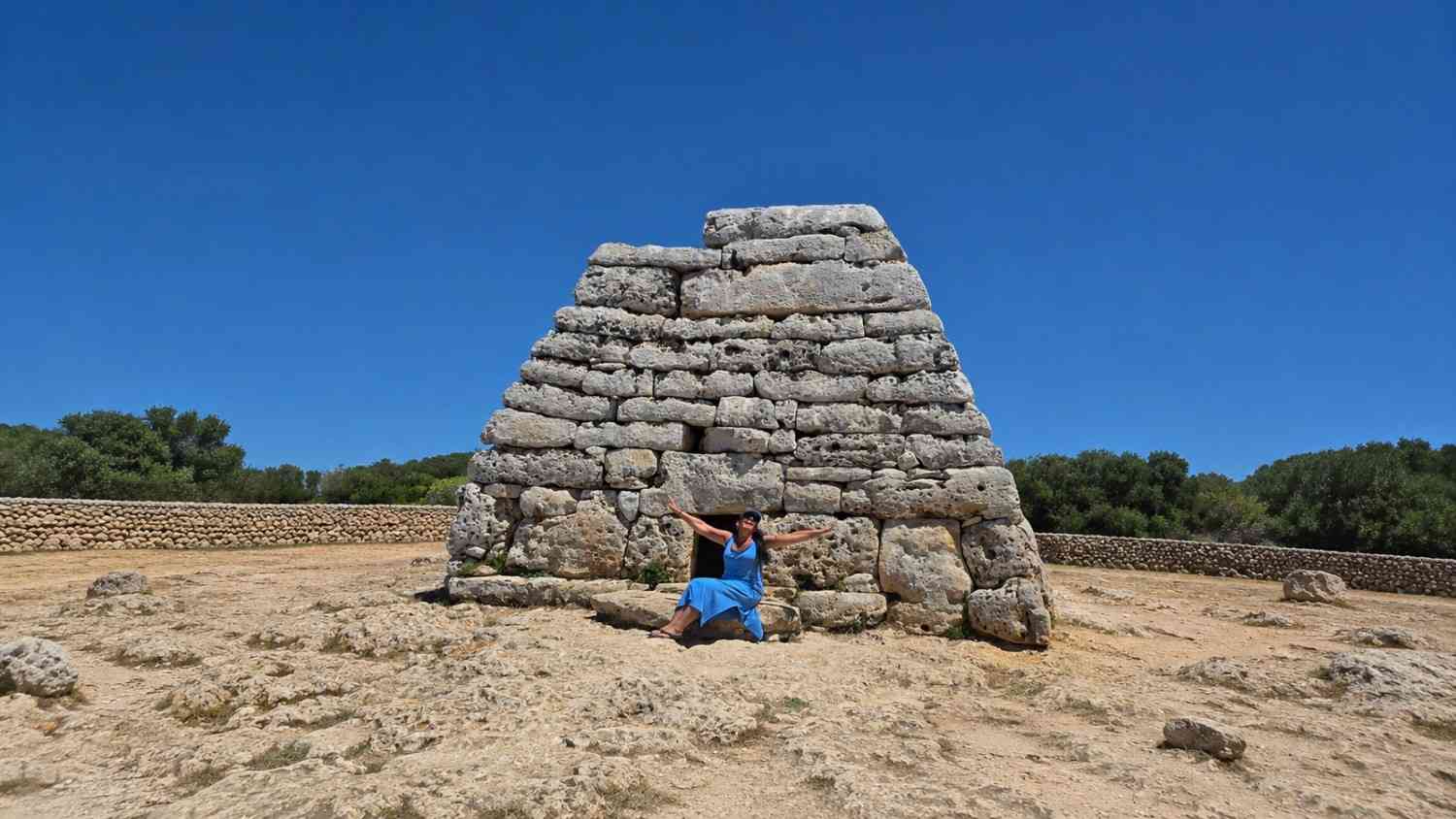
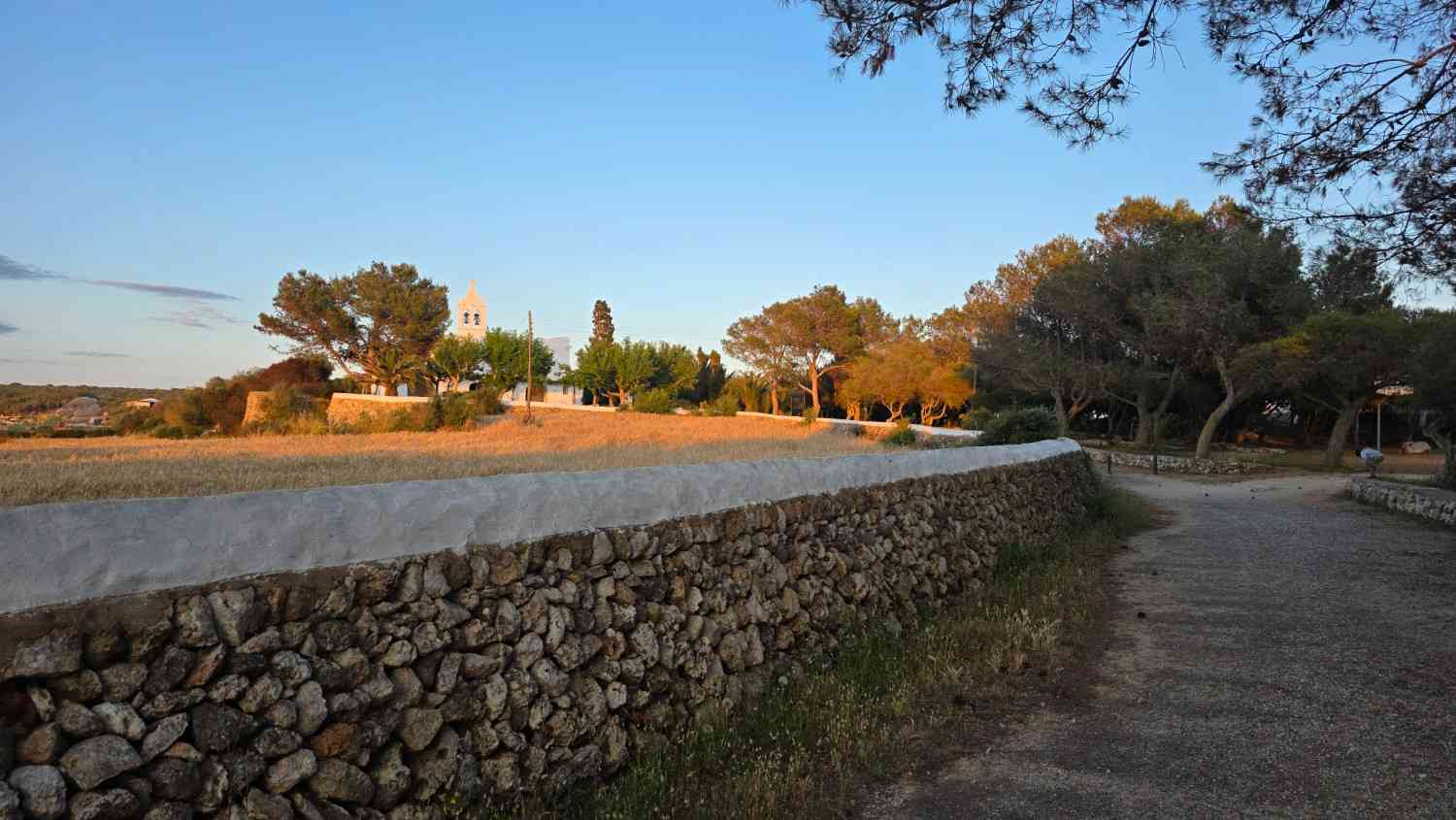
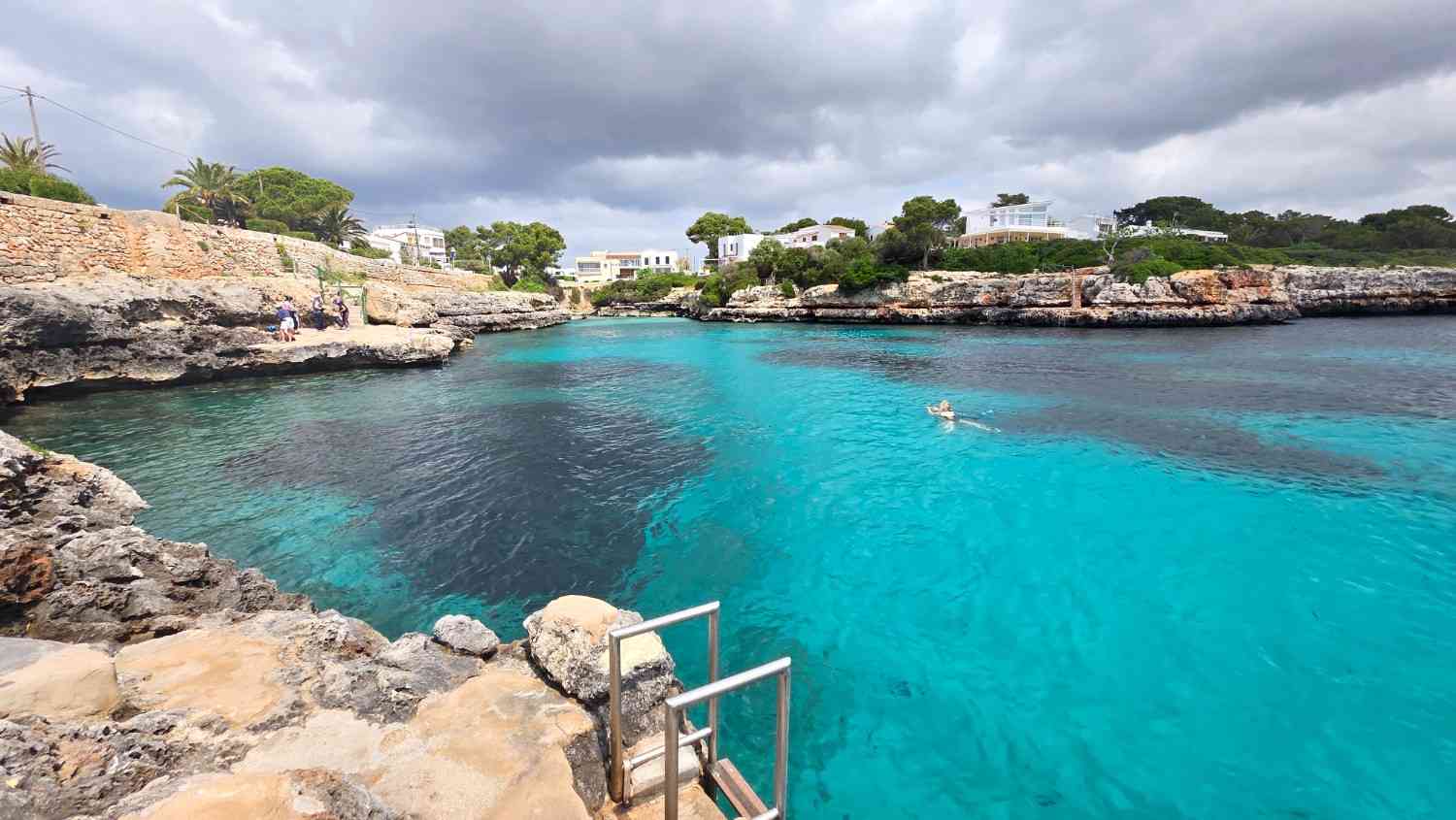
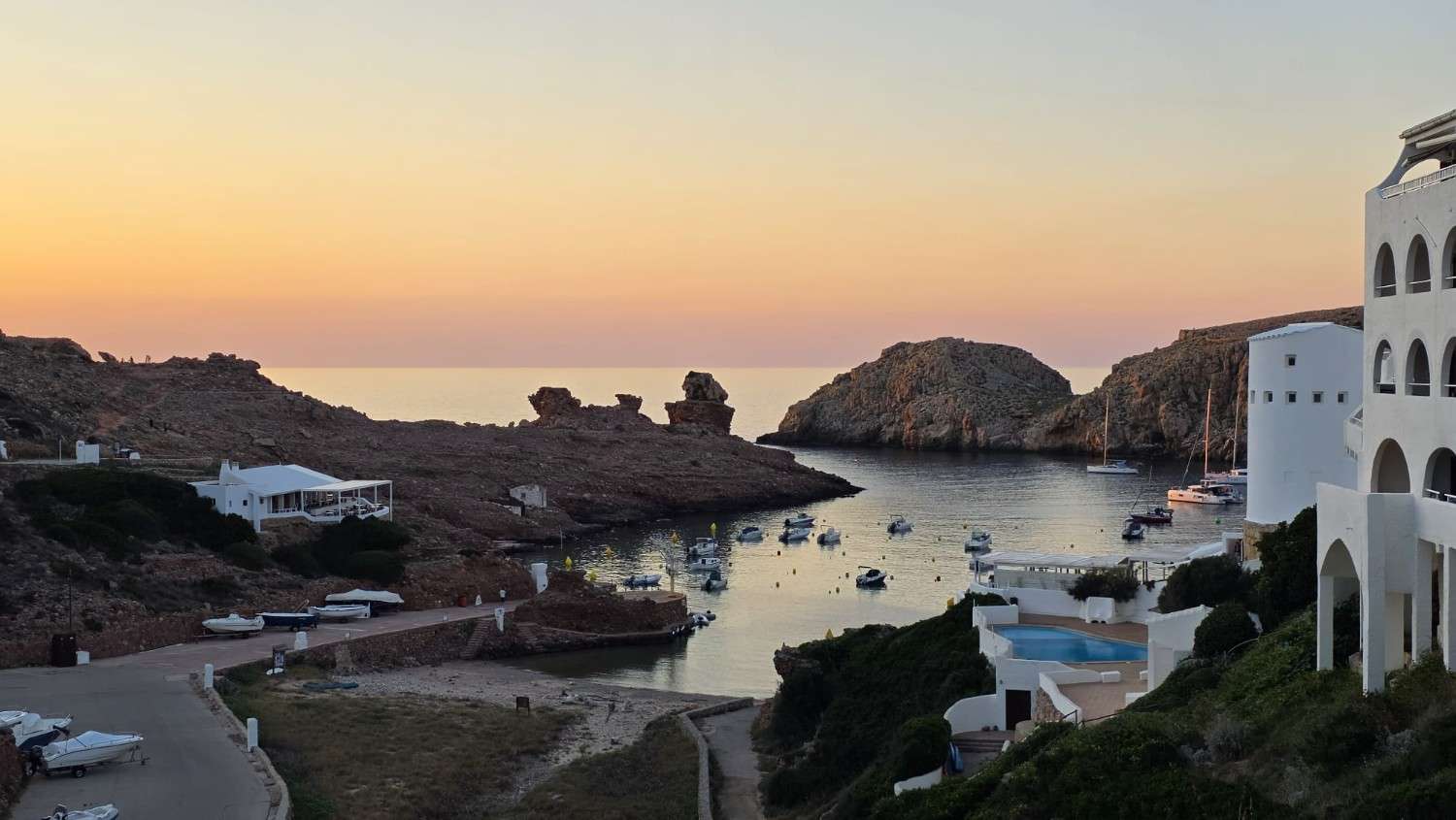
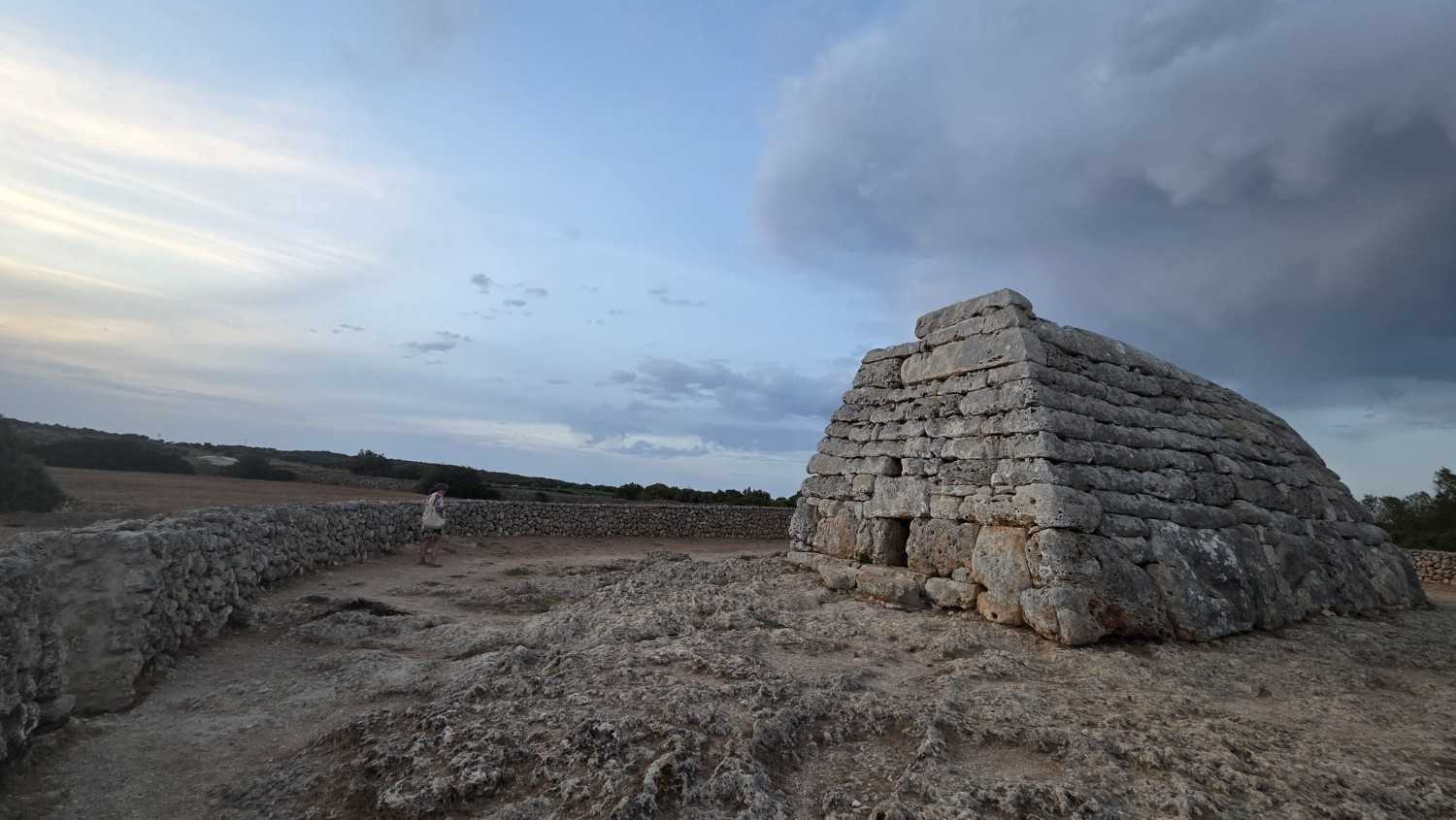
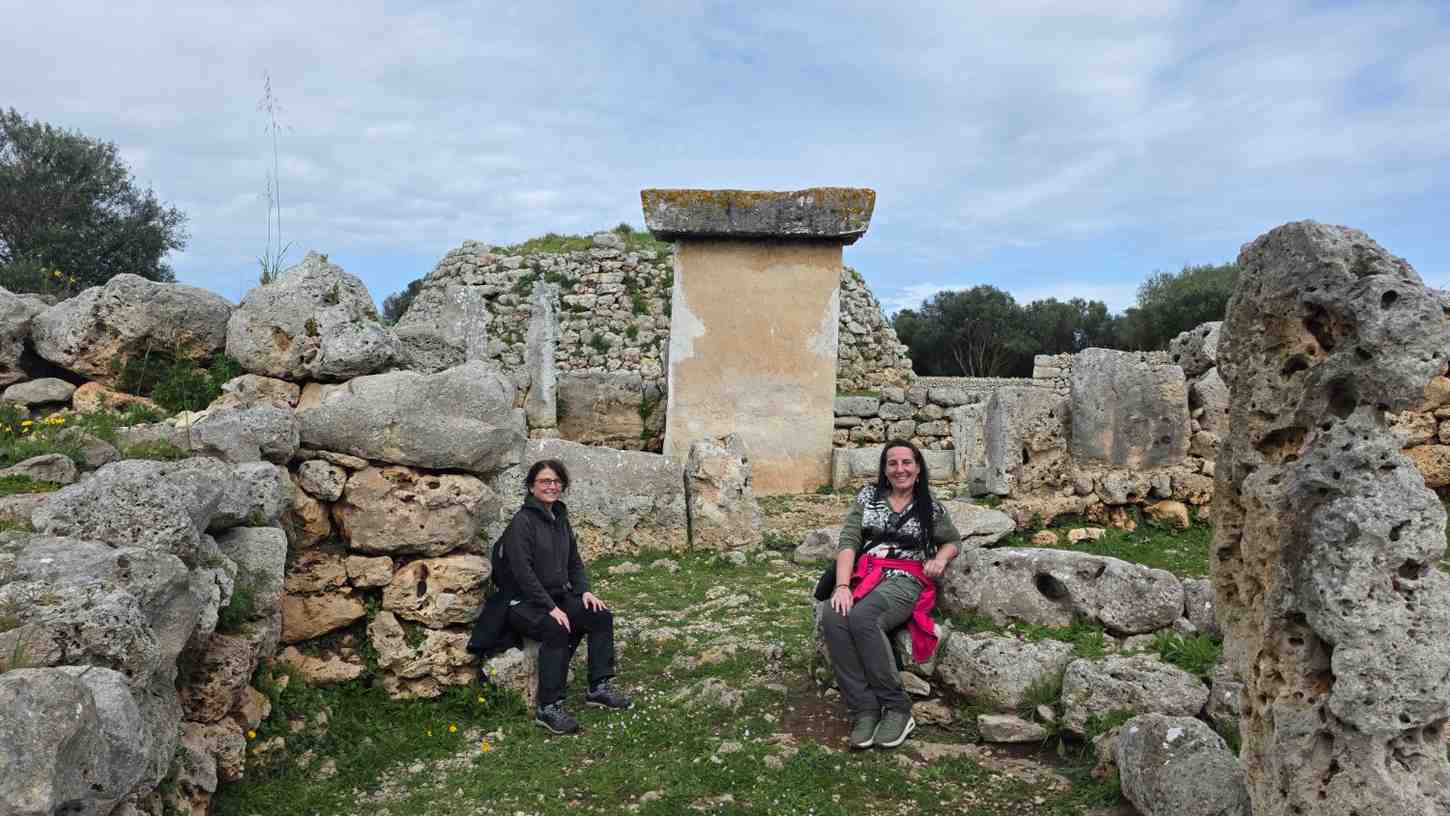
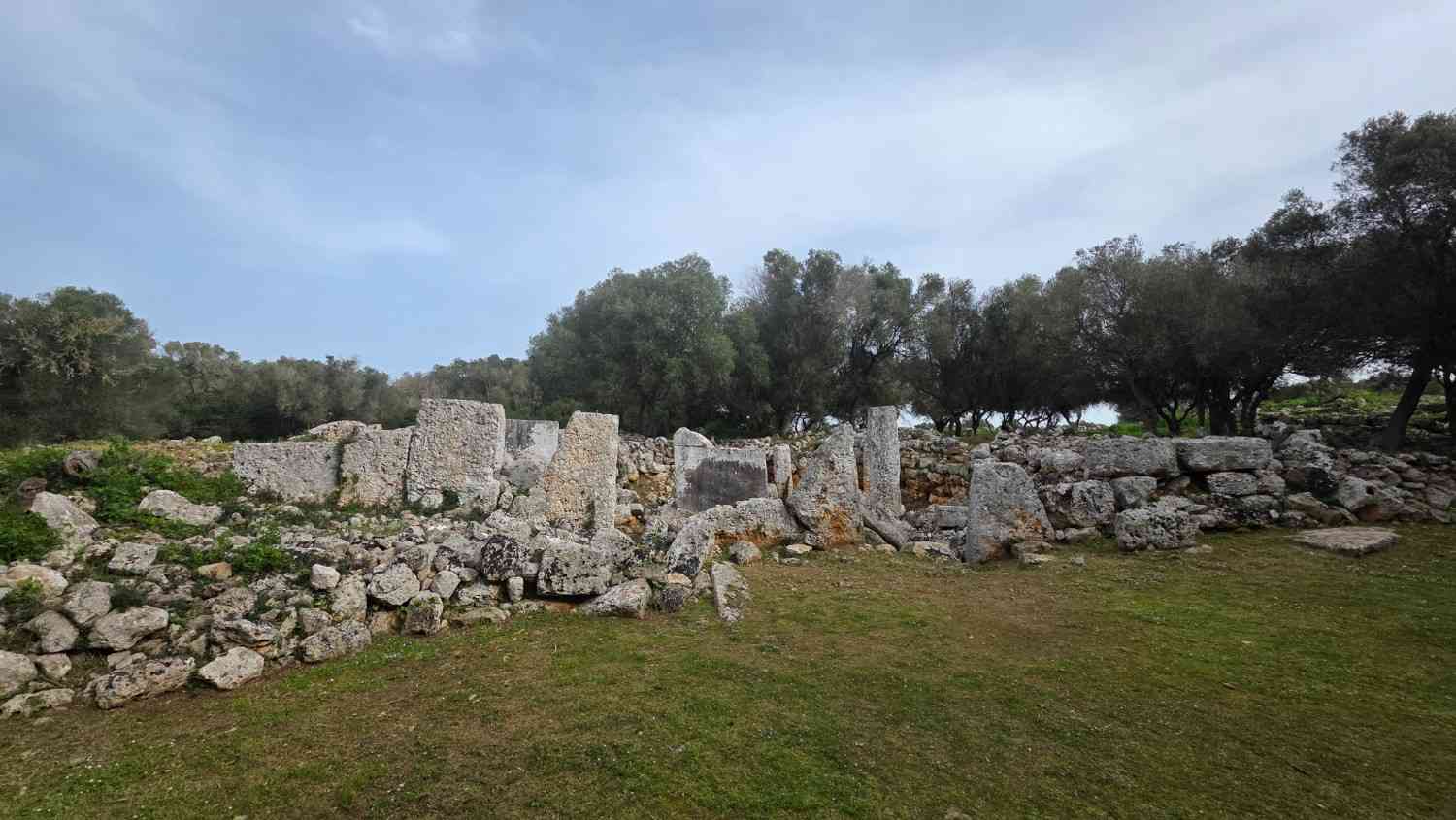
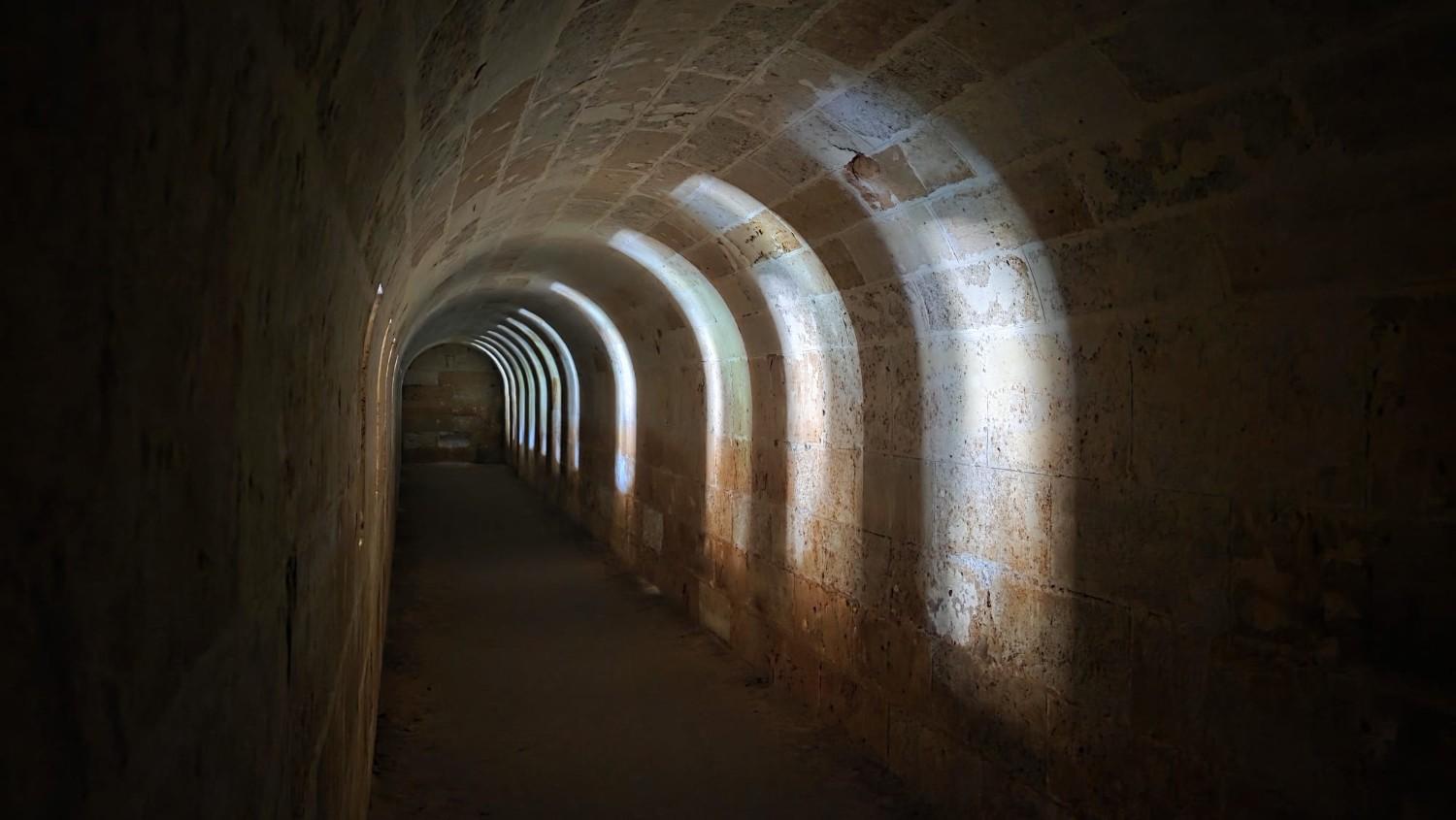
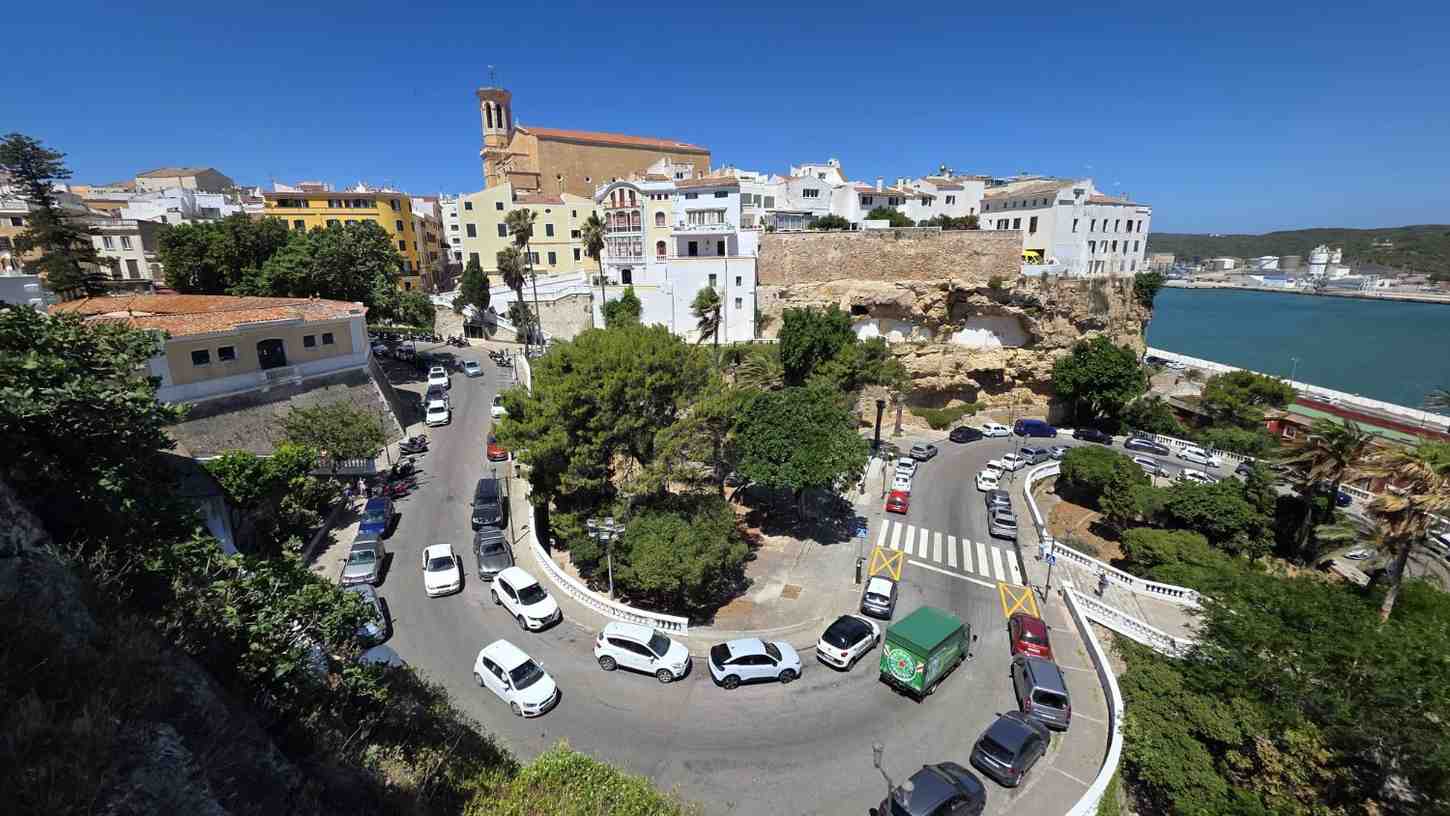
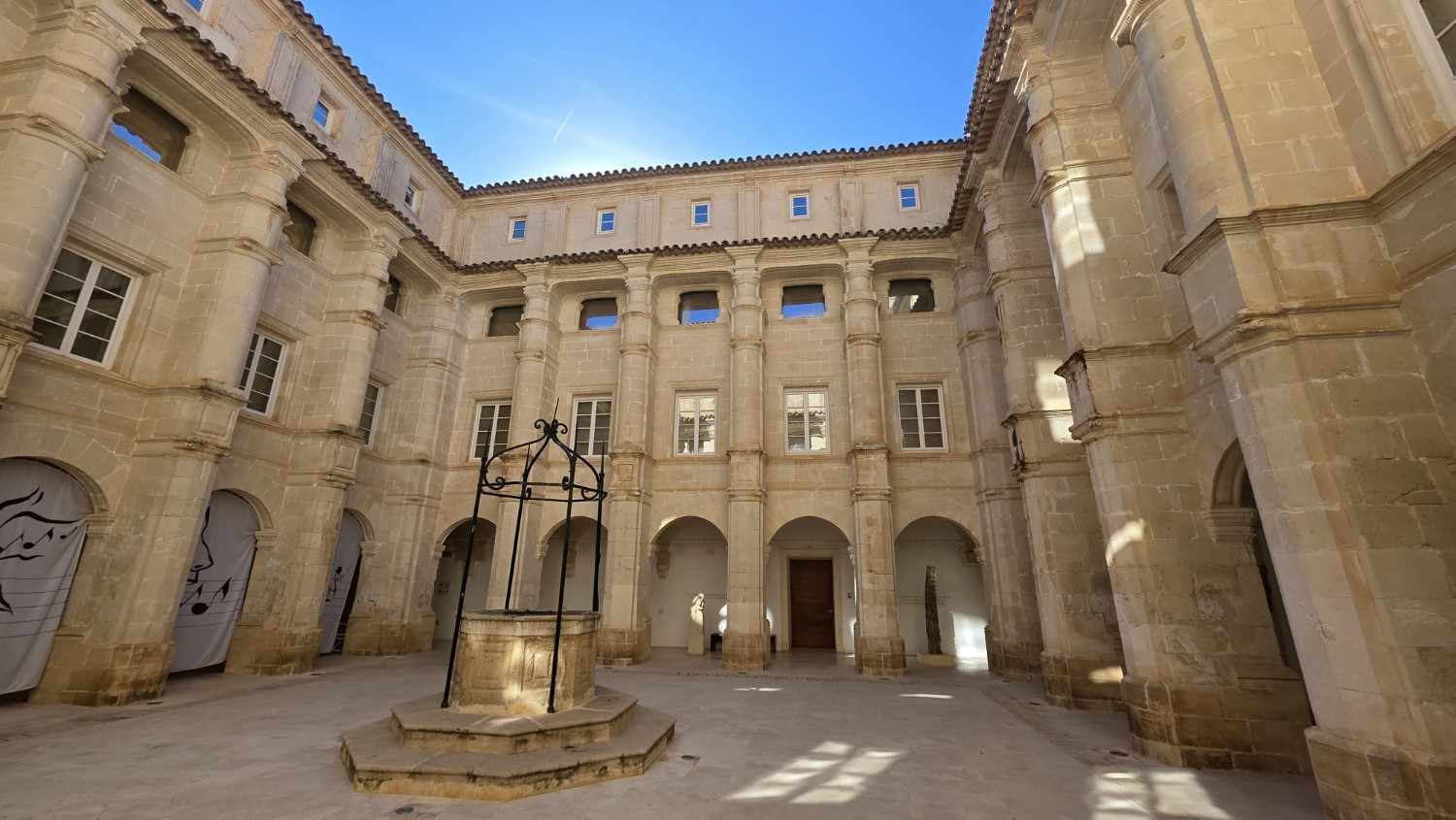



The best way to understand sustainable tourism is to live it. Through my Spanish Homestay Immersion Programme, you can experience these places from inside the island's daily life, hosted by a local, at a local's pace.
Experience sustainable Menorca with me →If you want to align your tourism business or destination with GSTC standards and prepare for certification with confidence, get in touch. Tell me about your organisation and your goals, and I'll help you map a clear, credible path forward.
Contact me about sustainable tourism consultancy →GSTC certification shows that a tourism business or destination meets the Global Sustainable Tourism Council's internationally recognised criteria for sustainability, covering management, socio-economic impact, cultural heritage, and the environment. The certification itself is awarded by independent, GSTC-accredited certification bodies after an audit, not by GSTC directly and not by consultants. My role is to prepare your organisation thoroughly so you're ready for that process.
A GSTC consultant helps an organisation get ready for certification by assessing its current operations against the GSTC Criteria, developing a tailored sustainability plan, supporting practical implementation, training staff, and preparing for the audit. A consultant guides and prepares but cannot grant certification or guarantee the result, since that would breach GSTC's ethical guidelines. What a good consultant offers is the knowledge and structure to give you the best possible chance of success.
A wide range of tourism organisations can pursue GSTC-recognised certification, including hotels and accommodation providers, tour operators, and whole destinations managed by tourism boards or authorities. The criteria differ slightly depending on whether you're an individual business or a destination, but the underlying principles of responsible, sustainable management apply across the tourism sector, and these standards are used by tourism companies and organisations pursuing sustainable tourism development. I can help you identify which standards apply to you and prepare accordingly.
The Global Sustainable Tourism Council sets and manages the global baseline standards for sustainability in travel and tourism, known as the GSTC Criteria. It doesn't certify businesses itself; instead, it accredits the certification bodies that carry out audits, and it promotes sustainable tourism worldwide through its standards, training programmes, guidance used at the international level, and partnerships with international organisations. In short, GSTC defines what good looks like, and the wider industry works towards it.
A tourism consultant advises destinations, businesses, and organisations on how to operate more effectively and responsibly, whether that means strategy, destination development, marketing, or sustainability, and may provide services for tourism management and tourism development. In my case, the focus is responsible and sustainable tourism: helping clients align with global standards, protect cultural heritage and local communities, and build experiences that benefit visitors and destinations alike while advancing sustainable tourism practices and supporting sustainable growth. It combines practical business guidance with a genuine commitment to doing tourism well.
Timelines vary depending on your starting point, the size of your organisation, and how much needs to change, but with focused preparation some organisations can be ready for certification in around three months. The honest answer is that it depends on your gap analysis: businesses already operating responsibly move faster, while others need longer to put systems in place. I'll give you a realistic timeline once I understand where you're starting from.